
Samia Suluhu Hassan sworn in for second term amid Tanzania unrest
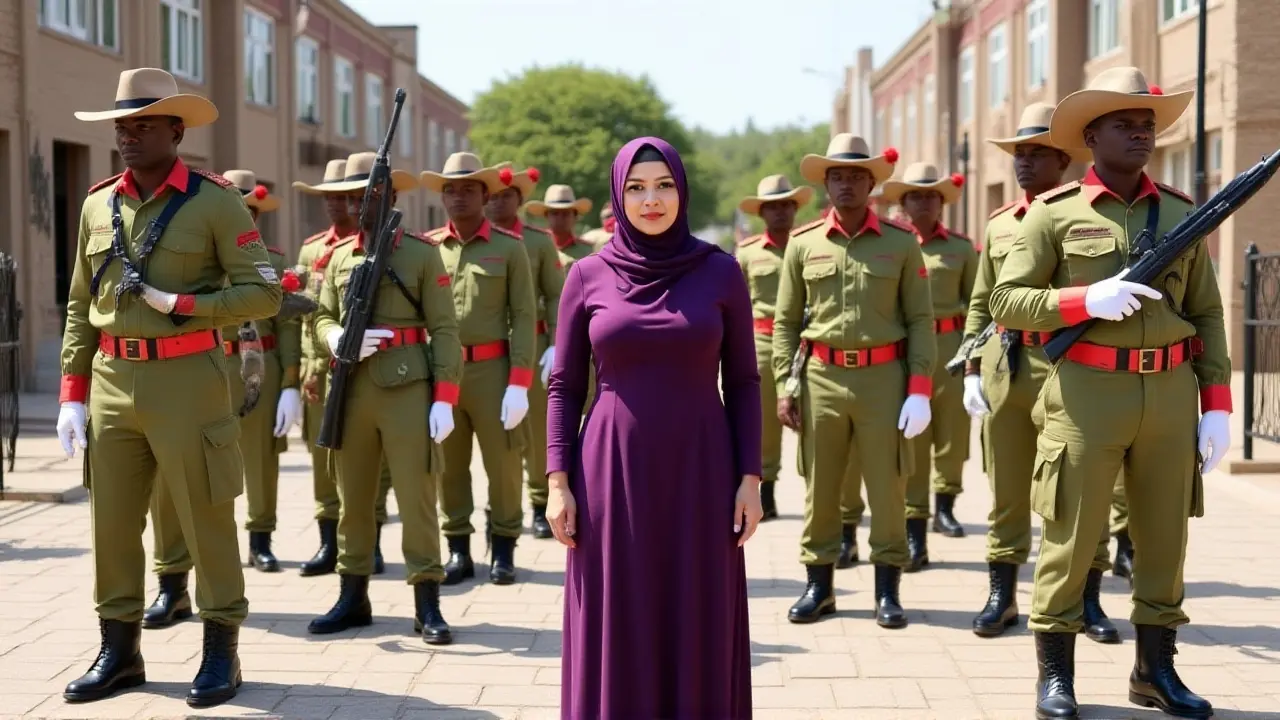
President Samia Suluhu Hassan officially began her second term in office on Monday, November 3, 2025, following a landslide victory that has left the country deeply divided. The swearing-in ceremony took place in Dodoma City, but the celebrations were overshadowed by a strategic internet blackout and reports of violent clashes between security forces and opposition supporters. While the event was attended by various foreign dignitaries, the atmosphere on the streets was far from celebratory.
Here's the thing: this wasn't just another routine inauguration. For the first time since taking office in 2021, President Hassan faced a direct electoral test. The official results, declared on November 1, 2025, by Jacobs Mwambegele, Chairperson of the Independent National Electoral Commission (INEC), gave her a commanding lead. But wait, while the numbers look decisive on paper, the process leading up to the vote has been anything but smooth.
A Victory Marred by Digital Silence and Protests
The inauguration was held under a blanket of tight security. In a move that surprised few but angered many, the government implemented a widespread internet blackout during the ceremony. It's a tactic we've seen before in the region, usually aimed at stopping protesters from coordinating in real-time via social media. Turns out, the silence online didn't stop the noise on the ground; opposition parties have been vocal about reports of violence and deaths linked to the electoral process.
In her inaugural address, President Hassan didn't dwell on the chaos. Instead, she urged Tanzanians to embrace unity and peace. She doubled down on her "4R philosophy"—Reconciliation, Resurgence, Reforms, and Rebuilding—which has served as the theoretical backbone of her administration. However, critics argue that the "Reforms" part of that equation has stalled, or worse, reversed.
- Inauguration Date: November 3, 2025
- Official Result Date: November 1, 2025
- Key Location: Dodoma City, Tanzania
- Primary Strategy: 4R Philosophy (Reconciliation, Resurgence, Reforms, Rebuilding)
- Election Date: October 29, 2025
From Succession to Direct Mandate
To understand how we got here, we have to look back to March 19, 2021. That was the day Samia Suluhu Hassan made history as the first female president of Tanzania. She didn't win an election then; she ascended to the presidency following the sudden death of John Magufuli. For the last few years, she's been operating under a mandate of succession, which is why the October 2025 polls were such a pivotal moment for her legitimacy.
Early in her first term, the world cheered. She seemed to be moving away from the iron-fisted approach of her predecessor, easing the grip on the media and letting opposition voices breathe again. But the tide shifted. By the time she launched her campaign in August 2025 in Dar es Salaam—an event that felt more like a concert than a political rally, featuring top musicians—the mood had soured. Human rights groups began reporting the disappearance of opposition officials, and key challengers found themselves jailed or barred from the ballot.
The Global Stage and Economic Ambitions
Despite the domestic turmoil, Hassan has been an aggressive diplomat. She's spent a significant amount of time building bridges outside Africa, most notably during her visit to the United States in April 2023. During a joint press conference with Kamala Harris on April 15, 2023, she helped secure Memorandums of Understanding (MOUs) worth nearly $1 billion in investments from U.S. companies. (That's a massive amount of capital for a country currently struggling with internal stability).
Her international itinerary has been exhaustive. From attending the 76th UN General Assembly in New York in September 2021 to signing mining and technology deals at Expo 2020 in Dubai, she has positioned herself as the face of a "modern" Tanzania. She even spent July 2022 in Malawi, where she worked to introduce the Swahili language into local schools, further cementing her influence in the SADC region.
The Authoritarian Shadow: What This Means for Tanzania
The big question now is: is Tanzania sliding back into the dark days of the Magufuli era? The use of internet blackouts and the reported harassment of political opponents suggest a worrying trend. While the President speaks of peace and unity, the reality on the ground feels more like a crackdown. Many analysts believe the "4R" philosophy is now being used as a shield to deflect from a return to authoritarianism.
The ripple effects of this second term will likely be felt in the diplomatic sphere. The U.S. and EU, who praised her early reforms, may now find themselves in a tricky position. Do they continue to pour investment into the country based on the $1 billion agreements, or do they start questioning the democratic credentials of the administration?
Looking Ahead: The Road to 2030
As the new term begins, the focus shifts to whether President Hassan will actually implement the priorities outlined in her speech or if the government will prioritize control over cooperation. The opposition is battered but not broken, and the disappearance of several officials remains a gaping wound in the country's political conscience. The details on those missing persons are still unclear, and the lack of transparency is fueling further resentment.
For now, the security presence in Dodoma remains high. The government's ability to maintain order without resorting to violence will be the real test of this second term. If the internet remains a tool for censorship rather than connection, the "unity" the President calls for may remain an elusive dream.
Frequently Asked Questions
Why was there an internet blackout during the inauguration?
The government implemented the blackout to prevent opposition supporters from organizing protests and sharing real-time footage of unrest during the ceremony. This is a recurring strategy used by the administration to maintain control over the narrative during high-tension political events.
What is the "4R philosophy" mentioned by President Hassan?
The 4R philosophy stands for Reconciliation, Resurgence, Reforms, and Rebuilding. It was introduced early in her first term to signal a move away from authoritarianism and toward a more inclusive, economically vibrant Tanzania.
How did Samia Suluhu Hassan first become president?
She assumed office on March 19, 2021, following the death of President John Magufuli. As the Vice President at the time, she ascended via constitutional succession, making her the first woman to lead the country before she eventually ran for a direct mandate in 2025.
What are the main criticisms of the October 2025 election?
Opponents and human rights groups claim the election was marred by violence, the disappearance of opposition officials, and the illegal barring of several key candidates from running. This has led to accusations that the government has returned to the authoritarian tactics of the previous administration.
What is the significance of the US-Tanzania investment deals?
In April 2023, President Hassan signed MOUs worth nearly $1 billion with US companies. These deals are critical for Tanzania's economic growth, particularly in mining and technology, but they now face potential scrutiny if human rights abuses continue to escalate.


Comments
Dr. Sanjay Kumar
April 11, 2026 AT 03:14Absolute madness that they just flip the switch on the internet and expect people to just chill with it. It is a classic move to hide the real chaos happening on the ground while the world sees a polished ceremony in Dodoma. Just wild how these patterns repeat themselves every single time
Shelley Brinkley
April 12, 2026 AT 00:03lol the 4r thing is just a joke. total propaganda to trick the west into giving money. its basically magufuli 2.0 with better makeup
Josh Raine
April 12, 2026 AT 17:51The irony of calling it 'Reconciliation' while silencing the very people you need to reconcile with is staggering. We are seeing a textbook case of democratic backsliding disguised as stability. It makes you wonder if the 'modern' face of a country is just a mask for the same old authoritarian rot. How can any of these foreign investments be justified when basic human rights are being trampled in the shadows? It is a cycle of greed and power that never seems to end :/
Angie Khupe
April 13, 2026 AT 19:22I really hope we can find a way to peaceful resolution and that the 4R philosophy actually gets put into practice for the people :)
Beth Elwood
April 13, 2026 AT 20:34The geopolitical angle here is so messy 😬. One billion dollars in MOUs is a huge carrot for the US to ignore the red flags. It's a classic case of strategic interests outweighing democratic values 🚩🚩
Sharath Narla
April 14, 2026 AT 21:54Ah yes, the 'strategic internet blackout.' Truly a masterpiece of modern governance. Nothing says 'unity and peace' like cutting off the world so you can have a nice little party without any interruptions from the actual citizens
Ashish Gupta
April 16, 2026 AT 15:32Keep pushing for change! 🚀 The resilience of the people is what really matters in the long run. Stay strong Tanzania! 💪✨
vipul gangwar
April 18, 2026 AT 02:38It is a tough situation for everyone involved. On one hand you want economic growth and those US deals, but on the other hand, you can't have real growth without stability and trust in the system. Hopefully, the administration listens to the grievances before things get even worse
Anamika Goyal
April 19, 2026 AT 22:17It is heartbreaking to think about the missing opposition officials. A true democracy should be able to withstand a challenge without people simply vanishing. I wonder if there is any international pressure that could actually bring those people home safely
Dianna Knight
April 21, 2026 AT 15:57The optics of that campaign rally in Dar es Salaam sounding like a concert is such a specific vibe 🎶. It's basically a soft-power pivot to engage the youth while the institutional guardrails are being dismantled. We call that 'perfume on a pig' in the policy world haha 😊
Mel Alm
April 22, 2026 AT 17:37Some people just dont get how dangerous these blackouts are. Its not just about social media, its about safety and communication during a crisis. Hope evryone stays safe out there
Alex Green international
April 23, 2026 AT 20:08The diplomatic implications are significant. It is imperative that international partners maintain a standard of accountability regarding the democratic process to ensure long term stability
Anu Taneja
April 25, 2026 AT 17:43Stability is often preferred by investors over noisy democracies. That's the sad truth of the global economy. The MOUs will likely stay regardless of the protests.