
Zambia Seizes Control of Former President Lungu's Body in Legal Battle
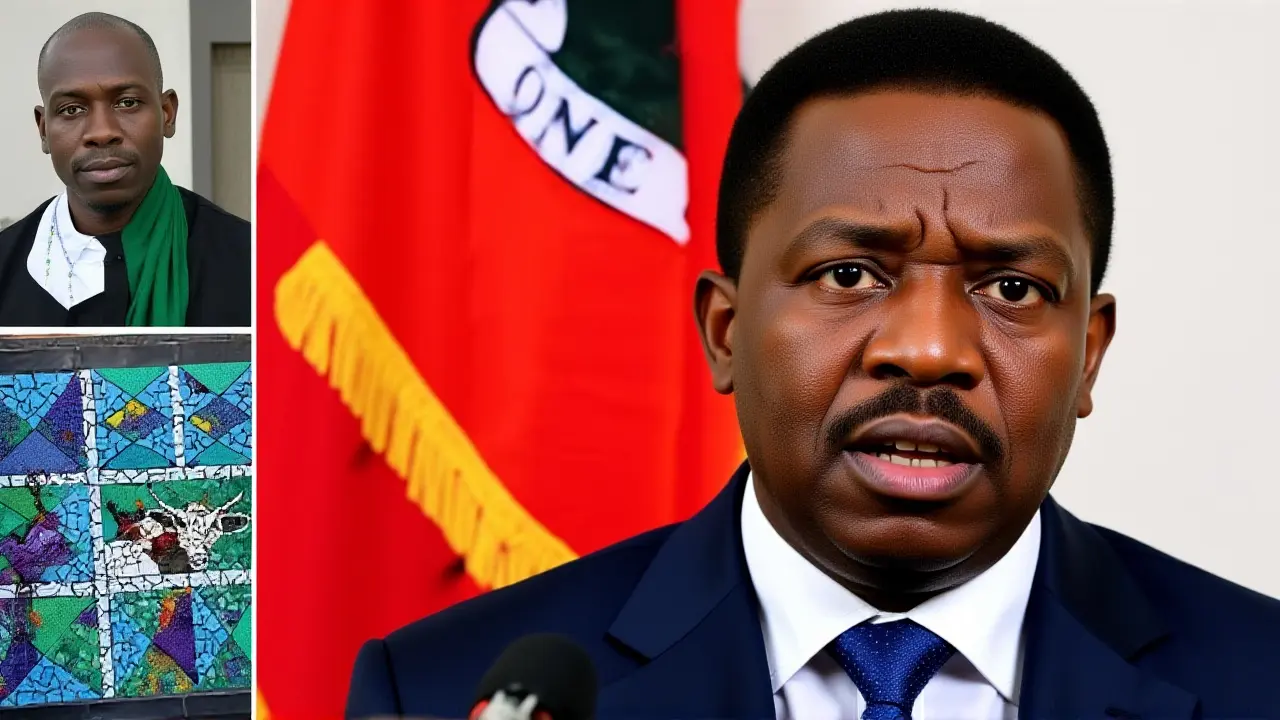
The fight over where Edgar Chagwa Lungu, the former president of Zambia, should spend eternity has taken a dark and dramatic turn. After nearly a year of legal warfare in foreign courts, the Government of the Republic of Zambia has officially taken custody of Lungu's remains in South Africa, moving them from a Pretoria funeral home to a government-controlled facility. It's a move that follows a grueling standoff between the state and the bereaved family, leaving the former leader's body as the center of a geopolitical tug-of-war.
Here's the thing: this isn't just a family quarrel. It's a clash of wills between the current administration and the legacy of a man who led Zambia from 2015 to 2021. The tension reached a boiling point in April 2026, when the Zambian government announced it had secured a South African court order to seize the body. But wait, the Lungu family isn't backing down. They're claiming a separate, urgent court order mandates that the body be returned to its original funeral home, creating a legal deadlock that feels more like a thriller than a funeral arrangement.
A Funeral Plan That Fell Apart
To understand how we got here, we have to go back to June 5, 2025. Lungu passed away at 68 in Pretoria, South Africa, following cardiac complications. At first, it seemed like the transition would be smooth. The government declared a national mourning period, and a detailed itinerary was hammered out. The plan was for a repatriation to Lusaka on June 18, 2025, followed by a state funeral and burial at Embassy Park, the hallowed ground for Zambia's fallen leaders.
The compromise, brokered and announced by family spokesperson Makab Zulu, was specific. It involved a private charter from Lanceria Airport and a series of public viewings at the Mulungushi International Conference Centre. There was even a planned valedictory session at the Supreme Court grounds—a nod to Lungu's professional background as a lawyer.
But the wheels came off almost immediately. Just hours before the body was to be flown home on June 18, the family pulled the plug. They accused the government of breaching the agreed terms, and suddenly, the casket stayed put in South Africa. The fallout was swift. Hakainde Hichilema, the current President of Zambia, took the unprecedented step of ending the national mourning period on June 19, 2025, stating that the country simply "could not remain in a state of indefinite mourning."
The South African Standoff
The situation turned surreal when the family announced on June 20, 2025, that they intended to bury the former president in South Africa. Had this happened, it would have been a historical first—a former head of state of one nation being laid to rest in another. A requiem mass was even scheduled for June 25 at the Cathedral of Christ the King in Johannesburg.
Zambia wasn't having it. On June 24, 2025, the Attorney General filed a lawsuit in the High Court of South Africa (Gauteng Division) to block the private burial. The government's stance has been unwavering: a former president belongs in his home soil, specifically at Embassy Park. This legal battle has dragged on for nearly a year, turning a period of grief into a protracted court case.
Adding to the bitterness, the family has called for an independent investigation into the circumstances of Lungu's death, alleging mistreatment. Meanwhile, the government designated Belvedere Lodge as the official mourning venue in Lusaka, though it reportedly remained an empty, echoing space—a symbol of the divide between the state and the family.
Expert Analysis: The Political Ripple Effects
Political analysts suggest this dispute is about more than just burial plots; it's about the narrative of power. By controlling the funeral, the Hichilema administration ensures a state-sanctioned farewell that fits the current government's image. Conversely, the family's resistance is a signal of deep-seated mistrust toward the current regime.
The implications are significant. This is the first time in Zambian history that a mourning period was cut short before a former president was actually buried. It sets a precarious precedent for how the state handles the remains of political rivals. The fact that the battle is playing out in South African courts also risks embarrassing both nations on a diplomatic stage.
Key Facts of the Dispute
- Date of Death: June 5, 2025, in Pretoria.
- Planned Burial Site: Embassy Park, Lusaka.
- Legal Action: Filed by Zambia in the Gauteng Division of the High Court on June 24, 2025.
- Current Status: Government custody of the body as of April 2026, contested by the family.
What Happens Next?
The next few months will be critical. With two conflicting court orders reportedly in play—one giving custody to the government and another returning the body to the funeral home—a final judicial determination is needed. If the Zambian government maintains control, they will likely move the body to Lusaka for a delayed state funeral.
However, if the family successfully challenges the seizure, we could see a return to the original impasse. The tragedy is that while lawyers argue over jurisdiction and protocols, the dignity of a former head of state remains suspended in a cold storage facility in Pretoria.
Frequently Asked Questions
Why did the Zambian government end the mourning period early?
President Hakainde Hichilema ended the mourning period on June 19, 2025, because the funeral arrangements had collapsed. He stated that Zambia could not remain in a state of indefinite mourning while the family and government were in a standoff over the repatriation of the body.
Where was Edgar Lungu supposed to be buried?
The official plan was for him to be buried at Embassy Park in Lusaka, which is the designated burial ground for former Zambian presidents. This remains the government's primary demand.
What is the current legal status of the body in 2026?
As of April 2026, the Zambian government claims it has taken custody of the body via a South African court order. However, the Lungu family asserts there is a conflicting urgent court order requiring the body be returned to the original funeral home in Pretoria.
Did the family want a burial in South Africa?
Yes, on June 20, 2025, the family announced plans for a private burial in South Africa, citing the government's failure to implement the agreed funeral plan. This led to the subsequent legal battle to prevent a foreign burial.

Comments
Mason Interactive
April 25, 2026 AT 18:42This whole thing is just wild. Imagine having a legal battle over a casket for an entire year. It really shows how deep the political divide goes in Zambia when even death doesn't bring a truce.
Shelley Brinkley
April 26, 2026 AT 06:45lol just a power trip for the new guy’s admin probly nothing more than some basic ego stroking really
Senthilkumar Vedagiri
April 26, 2026 AT 11:06Oh sure, just a "cardiac complication" lol. The way the government just swoopied in and grabbed the body after a year is way too sus. Probably hiding something in the autopsy report or the body isn't even there anymore. Wake up people! 🙄
Angie Khupe
April 27, 2026 AT 22:14It's so heartbreaking that the family is going through this. I hope they can find a way to compromise soon so everyone can finally have some peace 🕊️❤️
Aaron X
April 28, 2026 AT 16:14The ontological tension here is fascinating. We are witnessing a clash between the state's claim to the symbolic capital of a former leader and the familial right to somatic autonomy. This isn't a simple legal dispute; it's a dialectic of power where the corpse becomes a signifier for legitimacy. By seizing the body, the current administration is attempting to colonize the historical narrative of the previous regime, effectively neutralizing the potential for the burial to become a site of political pilgrimage or resistance. The geopolitical dimension, utilizing South African courts as a proxy battleground, only underscores the erosion of sovereign consensus. It's a classic example of how the bio-politics of death are inextricably linked to the mechanisms of state control. The body is no longer a human remains but a political instrument.
Josh Raine
April 28, 2026 AT 20:42Why the hell are we pretending this is about "tradition"? It's about control! The state is basically kidnapping a dead man to make sure his followers don't have a place to gather and plot something. Absolutely disgusting behavior from the Hichilema administration! 😡
Gary Clement
April 28, 2026 AT 23:38actually the use of the Gauteng Division of the High Court is a common move for international repatriation disputes since Pretoria is a diplomatic hub. the legal deadlock usually happens when there are overlapping urgent applications and the court takes time to consolidate the files into one hearing
Antony Bachtiar
April 30, 2026 AT 12:07Gary you're just defendin the system man. it's plain and simple theft of a body. whoever says its about diplomacy is just blind to how these regimes act
Mel Alm
May 1, 2026 AT 00:26i think we should just respect the familys wishs. it seems cruel to force a body back to a place where they dont feel safe
Beth Elwood
May 2, 2026 AT 02:01The legal implications here are actually quite standard for state-level repatriation 📚. When a head of state dies, the state often claims a sovereign interest in the remains to prevent foreign entities from leveraging the burial for political gain. However, the conflicting court orders in South Africa make this a mess 🤦♀️. It's likely that the South African courts will eventually prioritize the state's claim because of the diplomatic treaties involved 🇿🇲🇿🇦.
nikolai kingsley
May 2, 2026 AT 15:48absolutely disgraceful that the family would even think of burying a president in another country. it is a spit in the face of the nation. there is no excuse for such arrogance from the bereaved regardless of their beef with the govt
Alex Green international
May 3, 2026 AT 15:44It is a most regrettable situation for all parties involved. One must hope that a resolution is reached that preserves the dignity of the deceased while acknowledging the grief of the family
Dianna Knight
May 5, 2026 AT 07:27I really feel for the family in this precarious situation! ❤️ This looks like a classic case of political friction manifesting as a legal battle. I hope the stakeholders can find a synergistic way to resolve this without further escalating the diplomatic tension between Lusaka and Pretoria 🌍✨